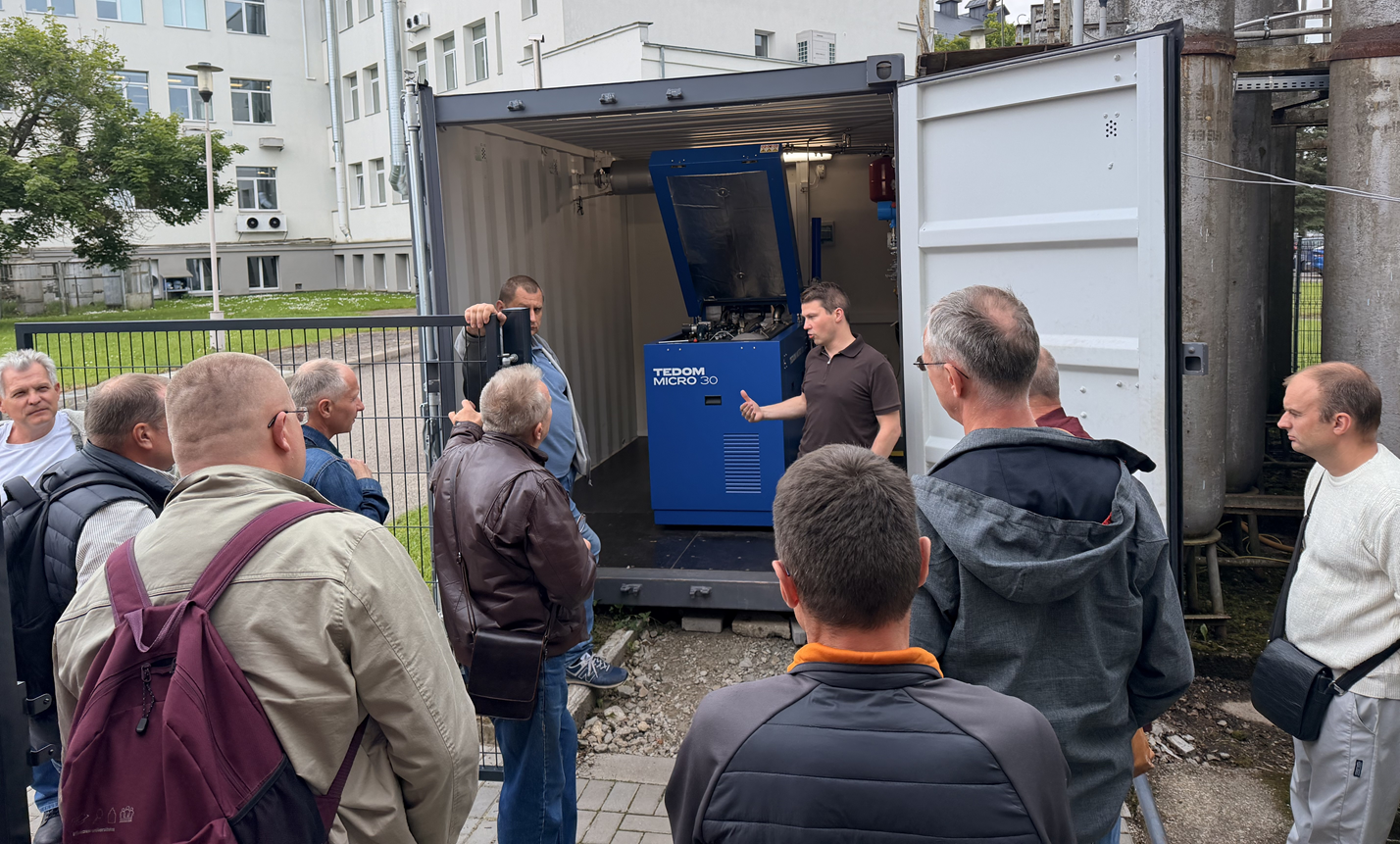
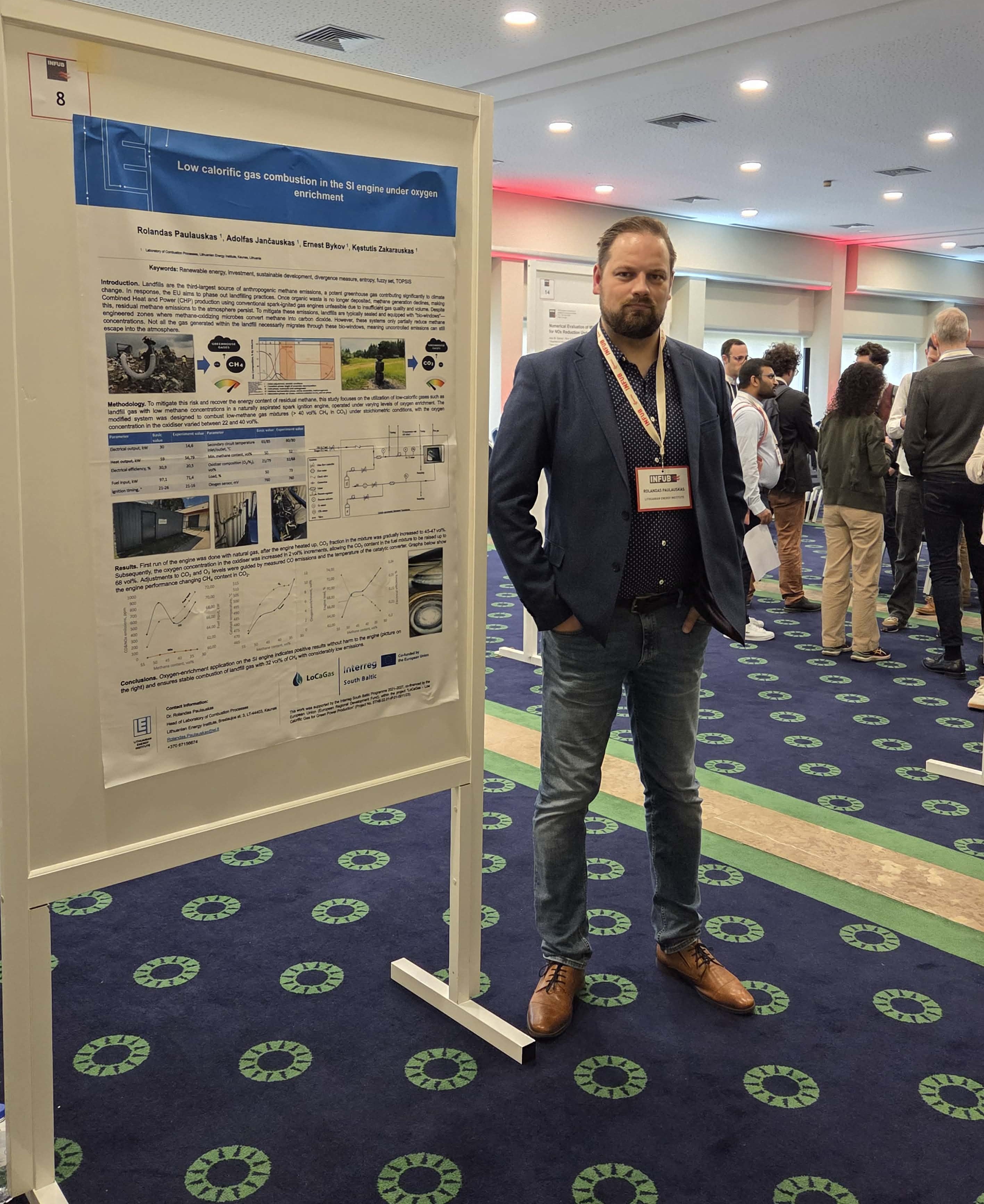
On the 18th of June 2026, Lithuanian Energy Institute hosted a technical excursion for participants of the seminar “Operation of Heat Substations”, attended by technical staff from the Center of Property Management and Services at Vilnius University. During the visit, Dr. Adolfas Jančauskas from the Laboratory of combustion processes at the Lithuanian Energy Institute presented the institute’s research infrastructure, introduced the LoCaGas project and its objectives, and guided participants through the Mobile CHP Laboratory. Dr. Adolfas Jančauskas presents the Mobile CHP Laboratory.
Photo: Lithuanian Energy Institute.
The excursion showcased innovative heat and power generation technologies while highlighting practical opportunities for integrating sustainable energy sources into existing energy systems. The discussions focused on current trends and future opportunities in sustainable heat and power generation, providing participants with insights into innovative energy technologies and decarbonization pathways. These topics closely reflect the broader ambitions of the LoCaGas project to support the transition towards more sustainable and resilient energy systems.
Thanks to all participants for the engaging discussions and interest in the work performed by Lithuanian Energy Institute.
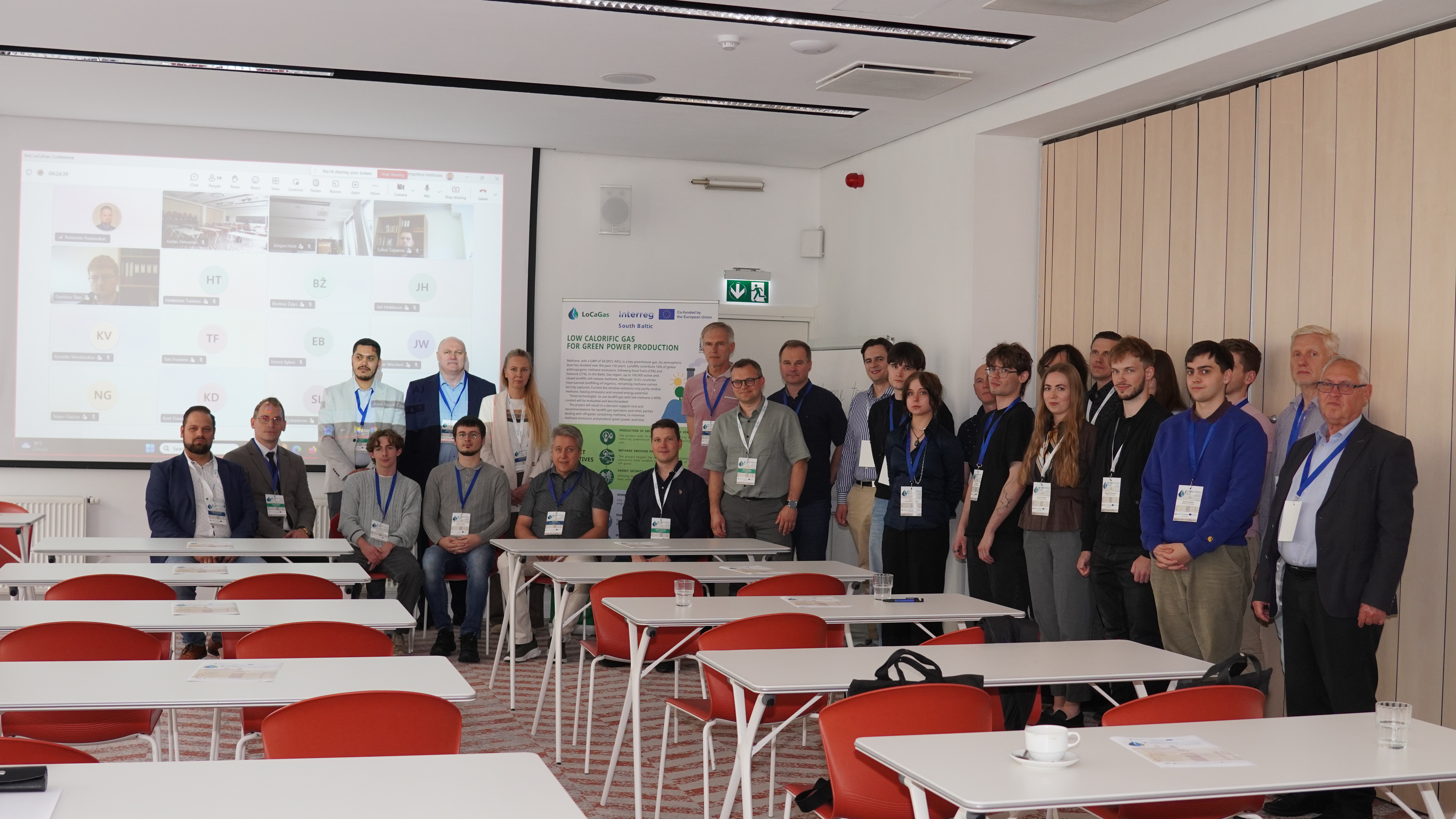
The 2nd LoCaGas conference took place at Kaunas hotel, Kaunas, Lithuania on the 17th of June.
77 participants (in-person and online) from 11 countries were registered.
Group photo from the conference (a handful of participants had unfortunately left before the photo was taken). Photo: Lithuanian Energy Institute.
The presentations can be accessed at 2nd LoCaGas conference | LoCaGas. Just click on the title of the presentation in the programme that you would like to view.
A big thanks to Rolandas Paulauskas and colleagues at Lithuanian Energy Institute for the well-organized event!
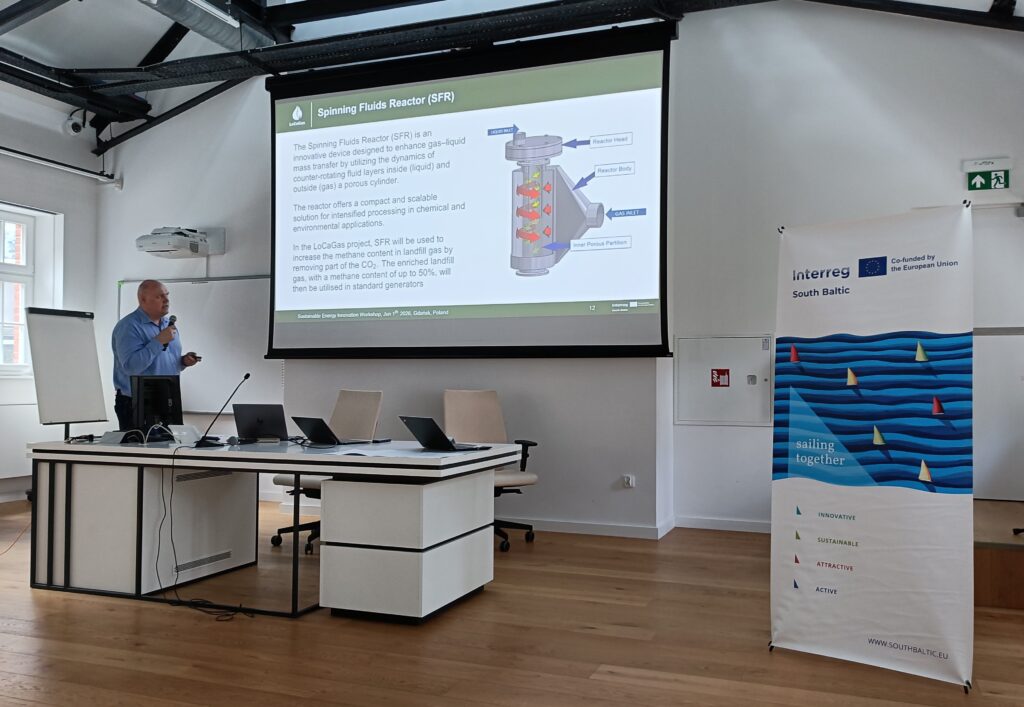
On June 1st 2026, the Interreg South Baltic Programme organised a Sustainable Energy Day ahead of the 2026 edition of the European Sustainable Energy Week (EUSEW).
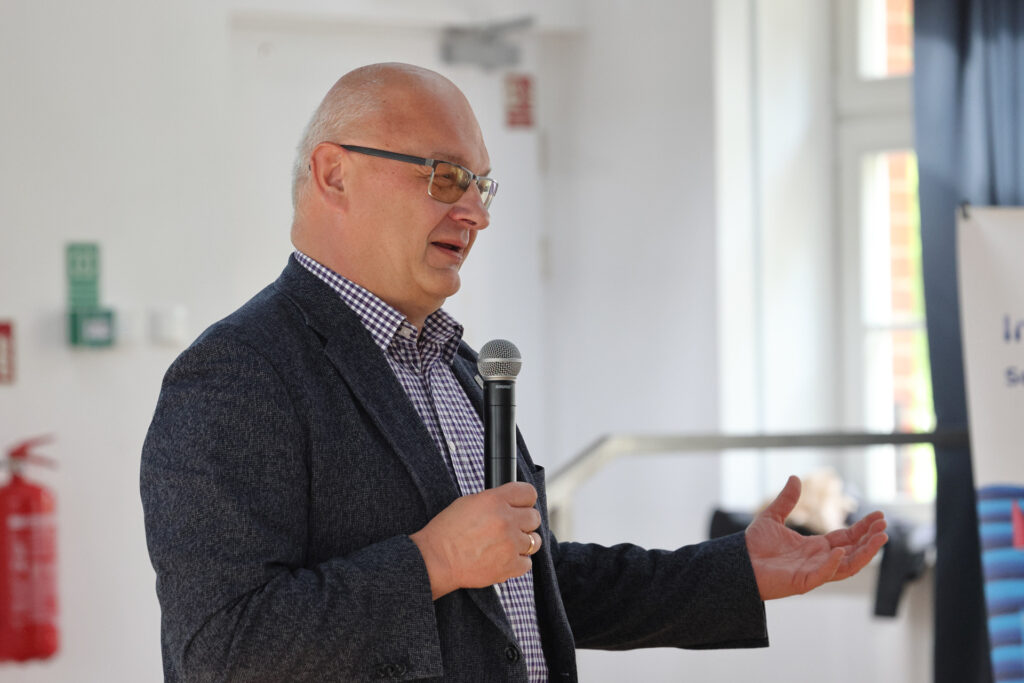
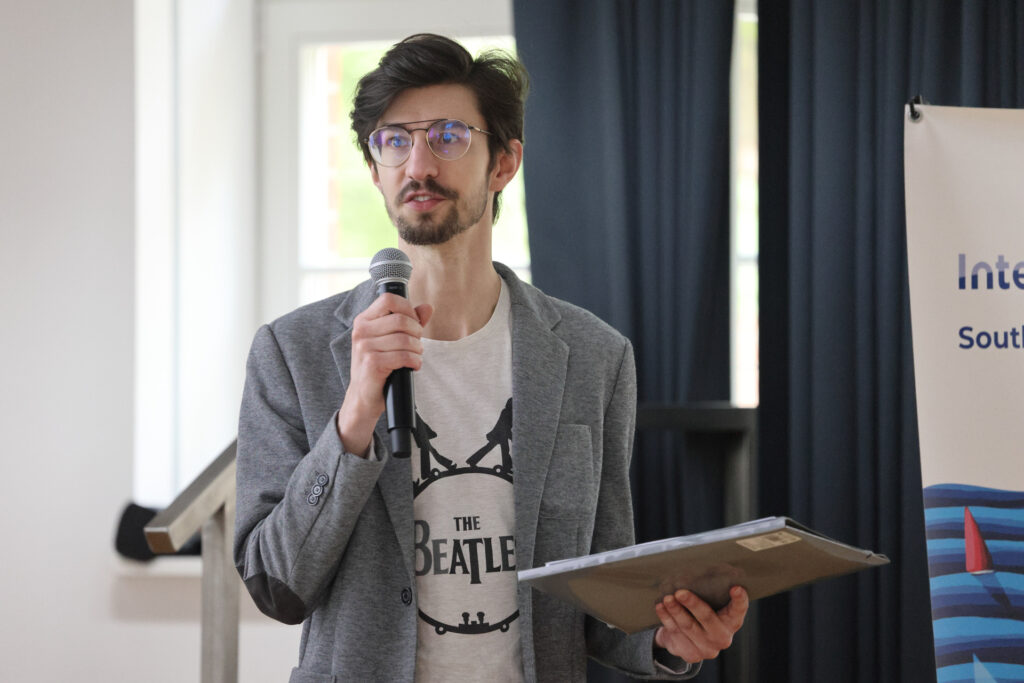
The event was warmly opened by Professor Dariusz Mikielewicz, Vice Rector of Gdańsk University of Technology, who expressed his familiarity with the Programme and its value for the region.
Welcoming words were followed by Małgorzata Skolmowska, Head of the Joint Secretariat of the Interreg South Baltic Programme, who presented the Programme area, priorities and thematic measures and emphasised the value for the city of Gdańsk hosting an international secretariat representing coastal regions from five EU Member States.
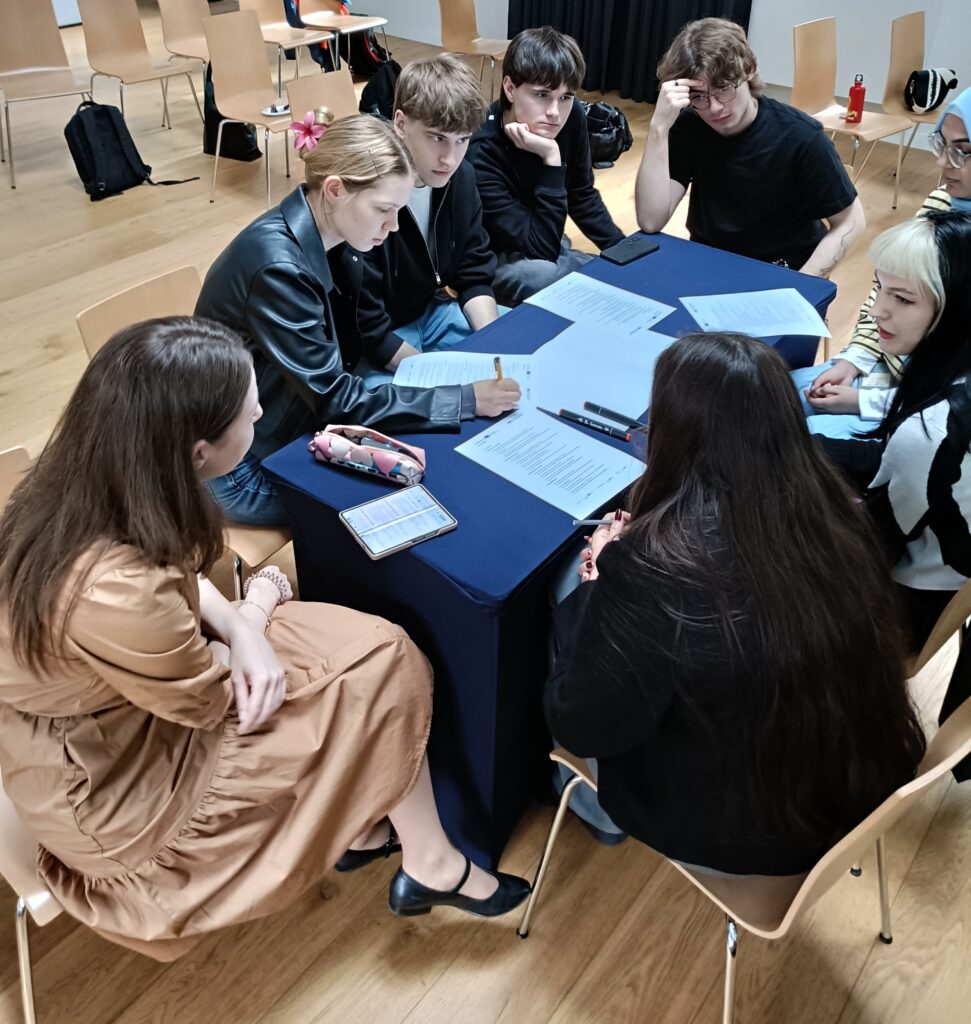
More than 30 students took part in the workshop despite the intensive exam period and benefited from topic-specific knowledge and training provided by Programme administrators and project practitioners.
Students benefited from a targeted presentation by the Interreg South Baltic Programme Project Officer, Kyriakos Kourtidis, supervising 10 projects (14.6 M EUR ERDF) under the measure “Supporting transition towards green energy” (Measure 2.1) of the Sustainable Priority of the Programme (Priority 2). The students received a first impression of the extent of Programme support, its environmental legal basis, and supported actions ranging from decarbonisation, wind, biomethane, green maritime technology and energy communities.
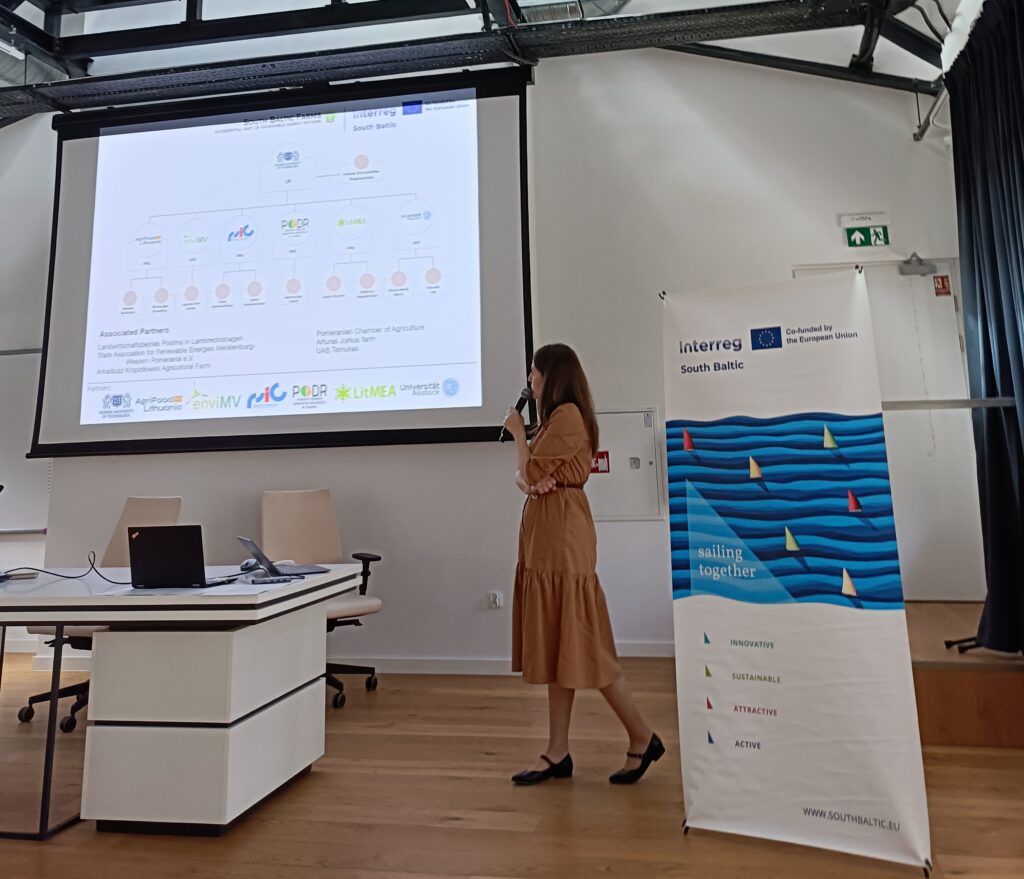
Following this, representatives of projects from the Lead Partner institution presented their projects’ overall goals, current achievements, and planned course of implementation.
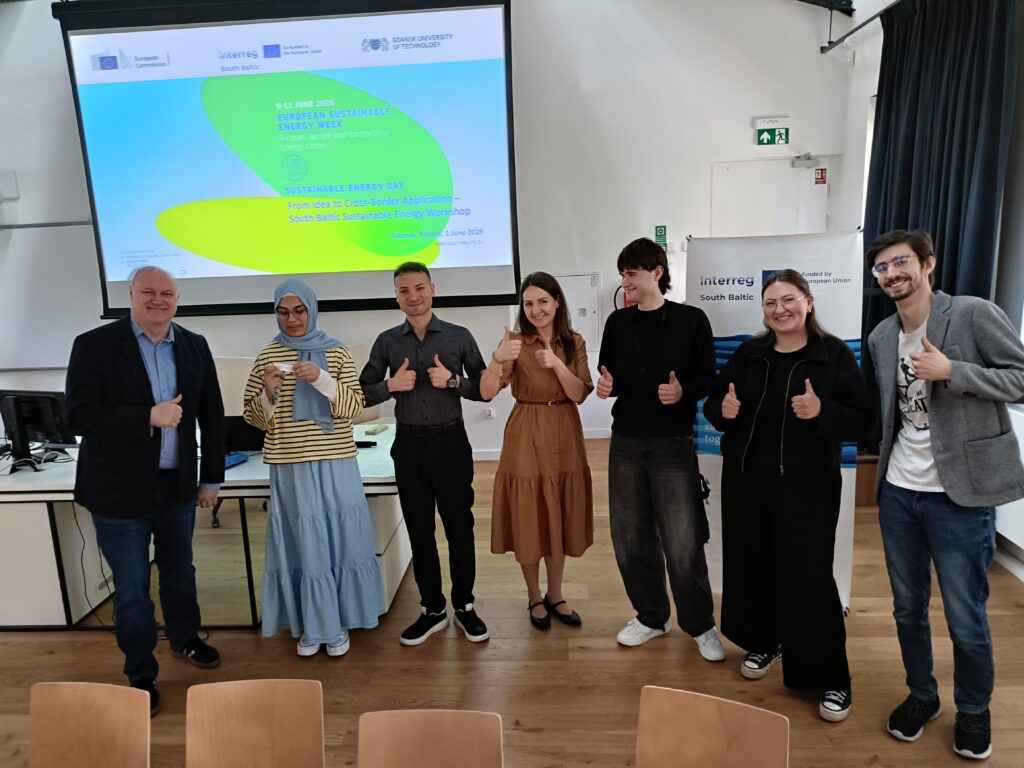
The highlight of the event was the interactive activity “Develop Your Own Project Proposals”. Through a World Café session, students worked side by side with project lead partners, researchers, university professors and energy professionals and developed their own cross-border project ideas addressing renewable energy production. Targeted feedback from project practitioners ensured that the ideas developed were implementable and realistic, while the creativity of the students gave the proposals actual colour and demonstrated sustainability sensitivity.
As a special prize, three students won fully funded trips (travel and accommodation covered by the projects) to participate as target groups in future project meetings with LoCaGas, Re-Farm and WAW – Watt a Waste.
Organisers concluded that today’s younger generation is very sensitive about the environment, and this will prove very positive for the future, as the younger generation will be called to shoulder the energy transition and climate neutrality of the Baltic Sea region in the future. The Interreg South Baltic Programme noted with satisfaction that the programme area flourishes with potential.
At the same time, the Interreg South Baltic Programme happily announces that our project LoCaGas is presented at the European Sustainable Energy Week (EUSEW), from 9 to 11 June 2026, in a collaborative stand organised by Interact, bringing together 14 Interreg Programmes and projects working on clean energy (more info here).
The Interreg South Baltic will remain “united by the sea into action for blue and green future” as our moto dictates now and in the future!
Photos: Gdańsk University of Technology and Joint Secretariat of the Interreg South Baltic Programme.
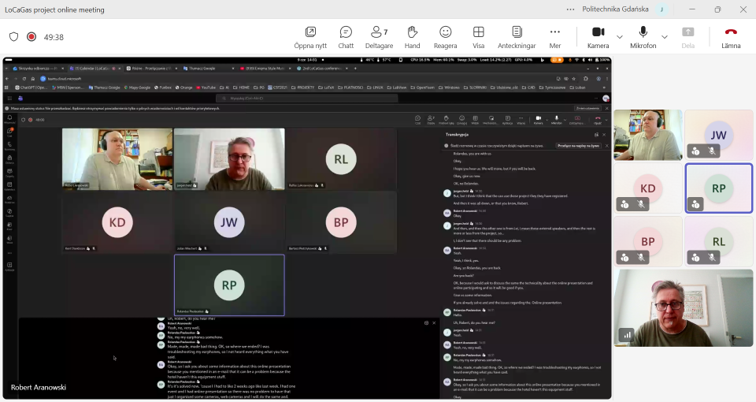
On the 9th of June, the LoCaGas project consortium meeting took place as an online event.
The practical details of the upcoming 2nd LoCaGas conference on the 17th of June in Kaunas (LT) was discussed.
The speaker list is finalised and the host, LEI, has all practicalities under control.
Interreg South Baltic Programme (ISBP) is organising a joint workshop featuring four energy project; LoCaGas, BioSolFarm, Re-Farm and WAW – What a Waste.
The event has been recognised as a Sustainable Energy Day — actually the first in Poland and the second in the Baltic Sea region for 2026 🎉
The event information has been published on the European Commission website for the European Sustainable Energy Week (EUSEW): https://sustainable-energy-week.ec.europa.eu/events/sustainable-energy-innovation-workshop-idea-cross-border-project-application-2026-06-01_en
Please note, however, that for the latest agenda and the most up-to-date information, we kindly ask you to refer to the ISBP website, as unfortunately the information published on the Commission’s website cannot be updated afterwards.
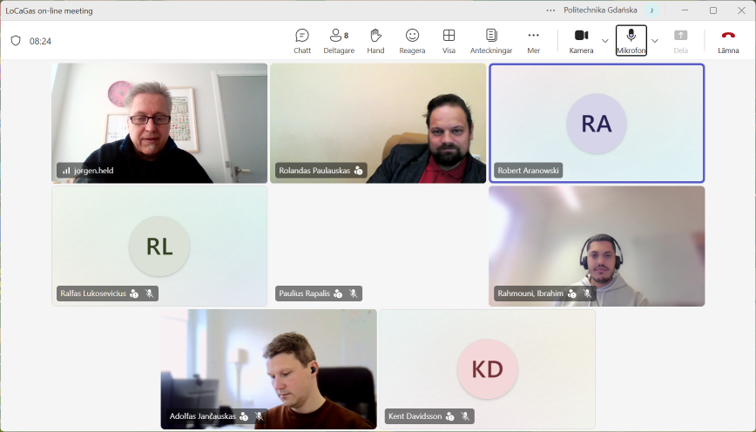
On the 13th of May, the LoCaGas project consortium meeting took place as an online event.
The practical details of the upcoming 2nd LoCaGas conference on the 17th of June in Kaunas (LT) was discussed.
Confirmation of external invited speakers is still lacking.
Invitations have been sent to PA Energy and the following ERDF funded projects, KAJASTUS, DecarbonDHS, MEQAL and the Horizon Europe project GIFFT.
On the 11th of March, the LoCaGas project consortium meeting took place as an online event.
The upcoming 2nd LoCaGas conference on the 17th of June in Kaunas (LT) was discussed together with the status of deliverables 2.1 and 4.1 and the delay of WP2.
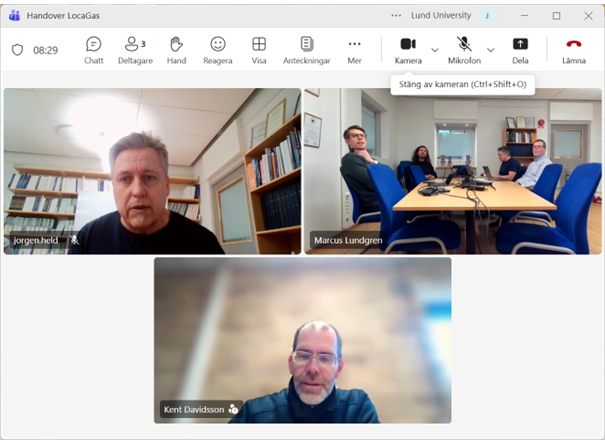
On the 26th of January, Lund University, NSR AB and BEIC met in a combined physical and online meeting to discuss the upcoming dual fuel engine experiments.
Lund University is subcontracted by NSR AB to conduct tests with pyrolysis oil as pilot fuel in a Scania engine modified to operate in dual fuel mode.
The participants were:
Marcus Lundgren, Lund University, who will start a new position at Maersk.
Sam Voncken, Lund University who will conduct the experiments
Per Tunestål, Lund University, professor in combustion engines
Kent Davidsson, NSR AB, who will provide the pyrolysis oil
Jörgen Held, BEIC, who will monitor the experiments